Establish safety.
A calm tutorial and fuse-repair task introduce the station and its interaction rules.
Designing tension through space, scale, and discovery.
The final demo was selected by Simon Fraser University for a showcase introducing prospective students to the course’s work.
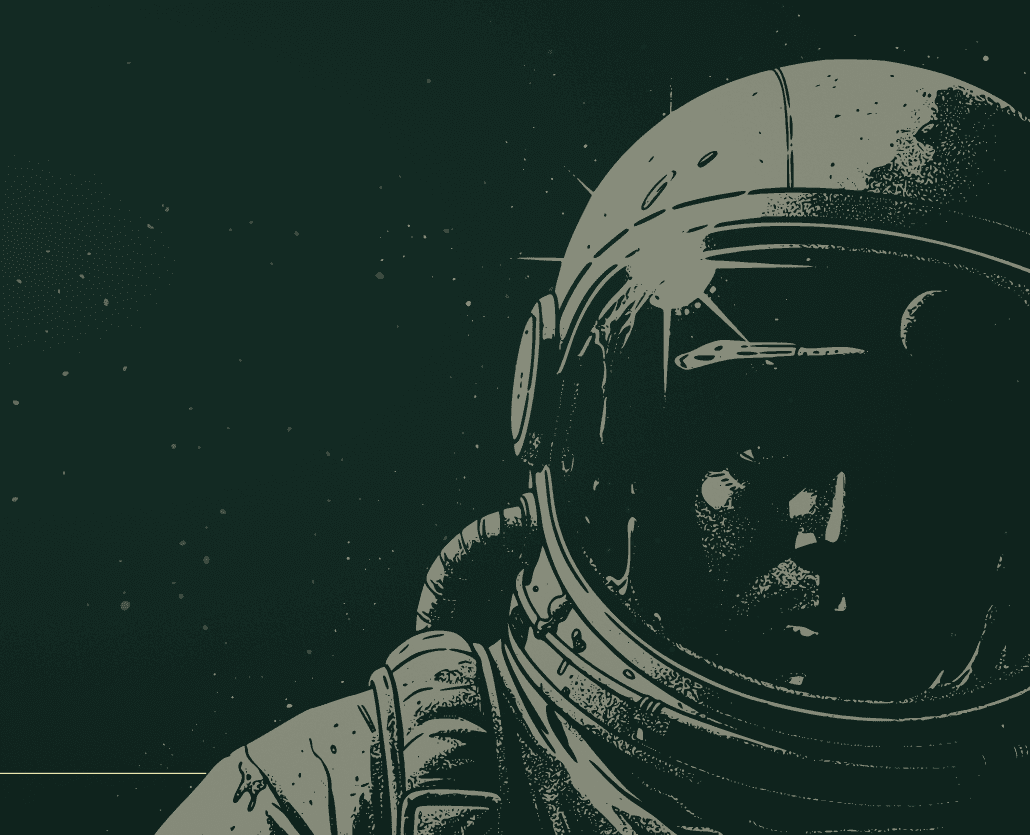
Something Lurking is an immersive VR exploration experience inside an abandoned space station. Our goal was a psychological horror experience driven by discovery, environmental narrative, and sound design rather than combat.
The design challenge was to make scale changes meaningful to play while keeping objectives and interactions grounded in the world. This was also a requirement for the course.
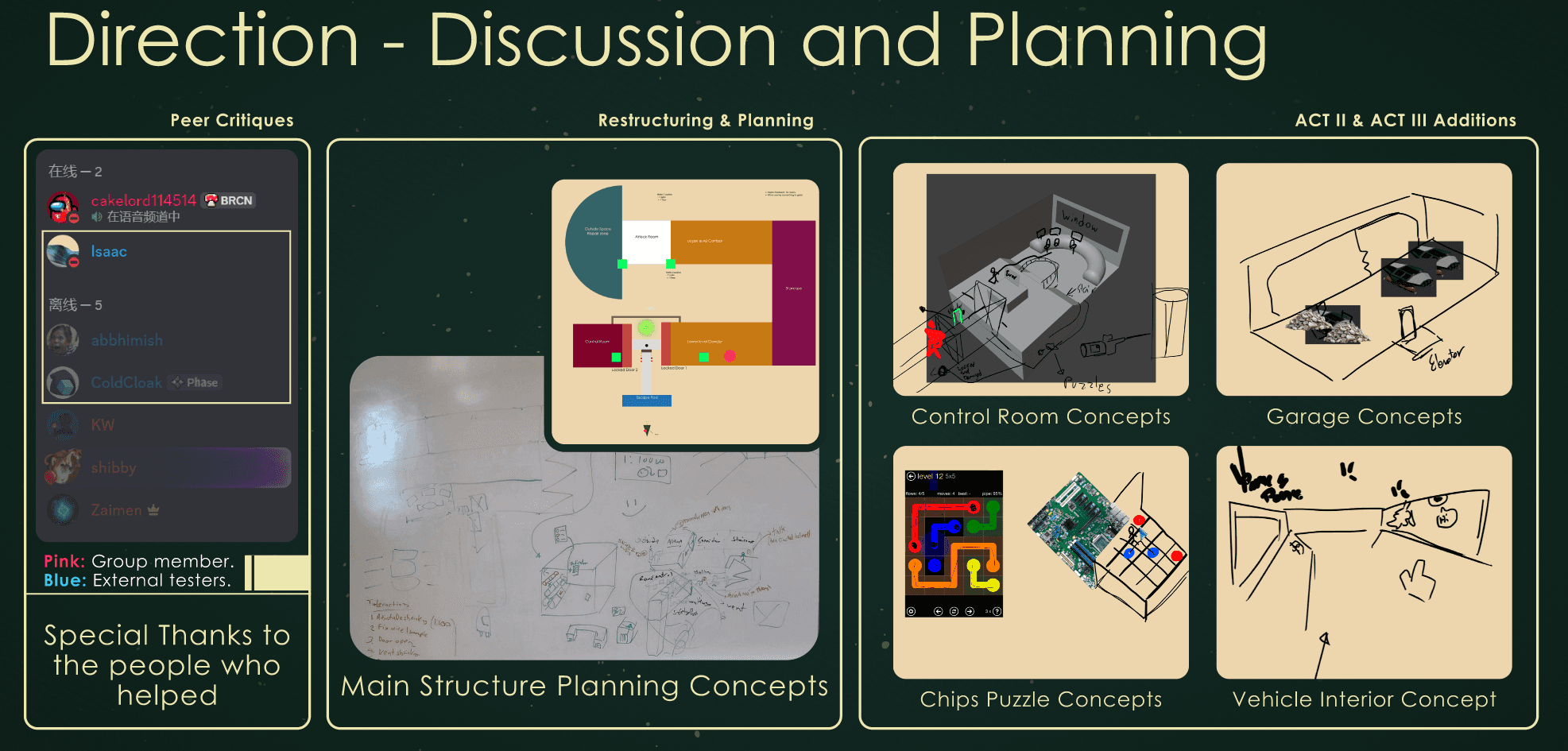
clearer environmental progression, more legible puzzle logic, and a stronger emotional arc... Feedback we received when we are doing playtesting. I collected them and brought the team together to discuss.
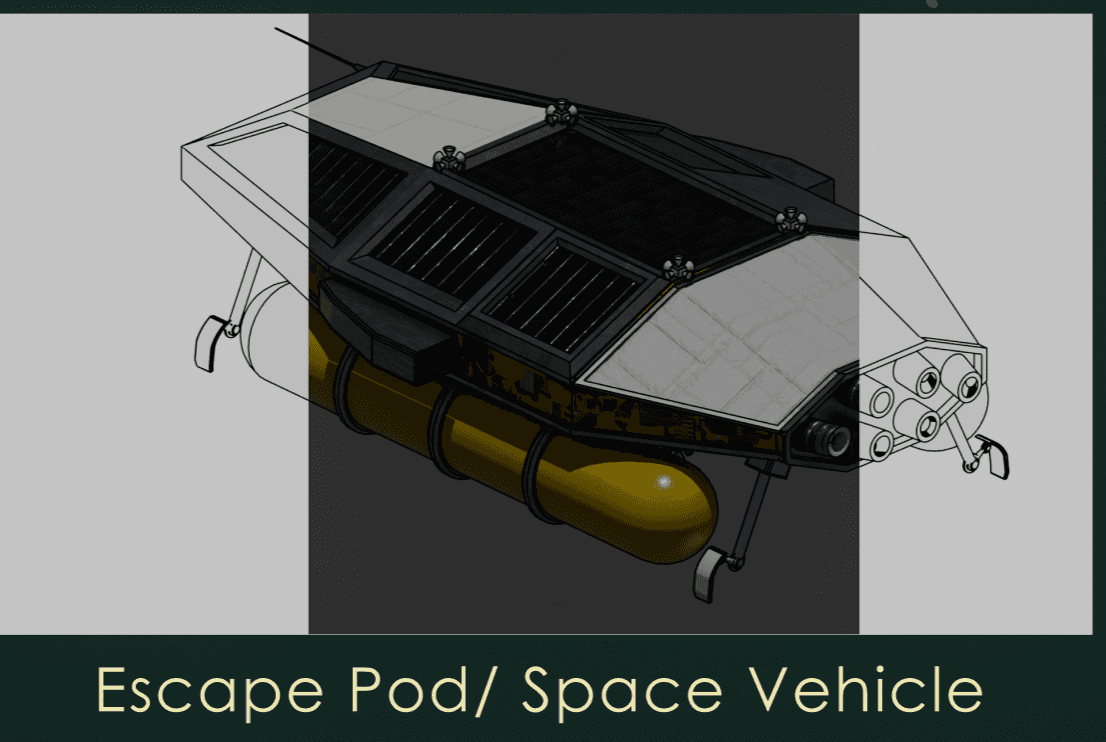
I led the restructuring of the spatial and narrative part. I then pull those discussions into whiteboard with my teammates at the SFU library, and doing level progression maps, and concepts for the control room, garage, chip-space puzzle, and escape vehicle interior concepts in Figma.
The interaction systems described below were part of the team’s shared VR production. My primary ownership was art direction, level design, and environment creation.
We have 3 main feature that represent the merit of our game, a Pip-Boy-inspired wristband interface attached to the player for scaling, environment narrative with act based sequences, and interactions that make the environment feel physical.
A calm tutorial and fuse-repair task introduce the station and its interaction rules.
Then, boom, power cut, and now player is left in a dark environment, along in space, this sort of brings a space horror aspect, which is what we are aiming for, inspired by Alien the movie.
When you get to the space escape pod, we chose to play a monster hiss sound behind the player, a cliffhanger and provides some jumpscare with sounds.
Scale switching lets the station be explored at different scale levels, making connection between levels and puzzle more persuasive and natural. Also, it's the main theme of the course, so it's like the prompt of a gamejam.
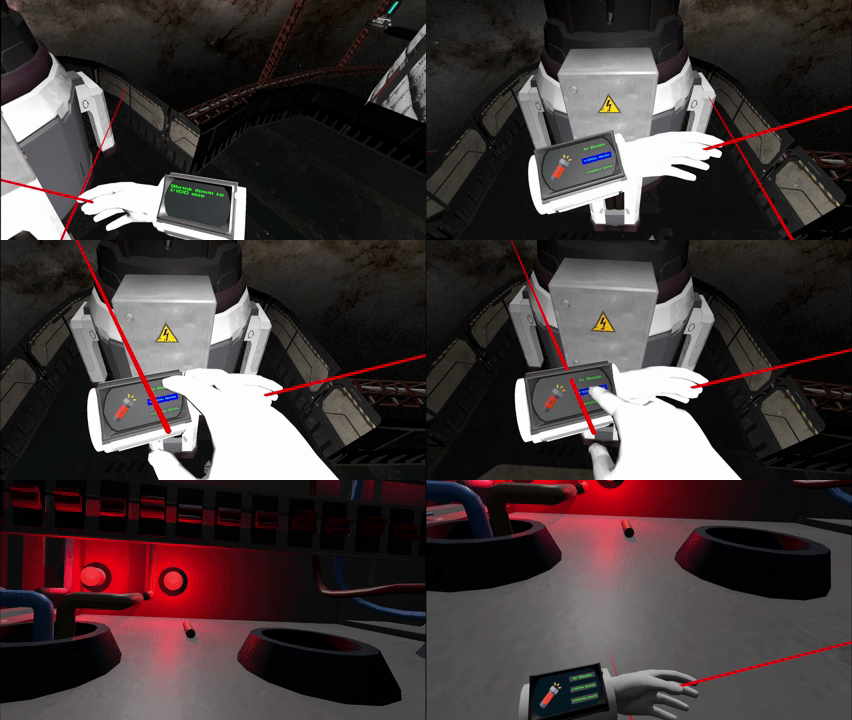
The wrist interface brings scale controls, the flashlight toggle, and objective guidance into the world instead of placing a detached overlay in front of the player.
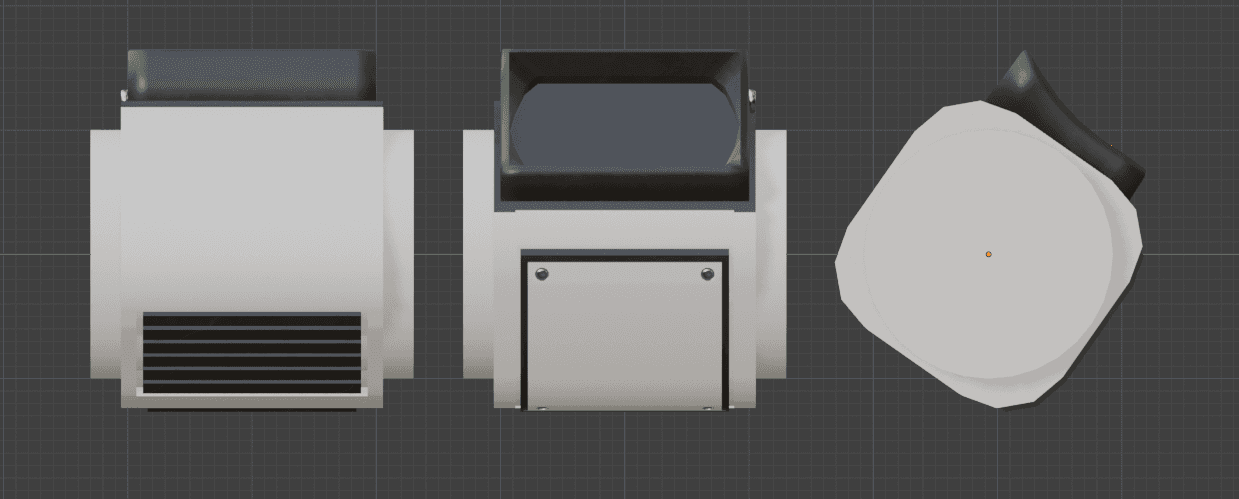
Constrained sliding doors, object pickup, grid placement, and two-hand wire scaling make tasks physical. Detection zones coordinate lighting, sound, doors, and progression.
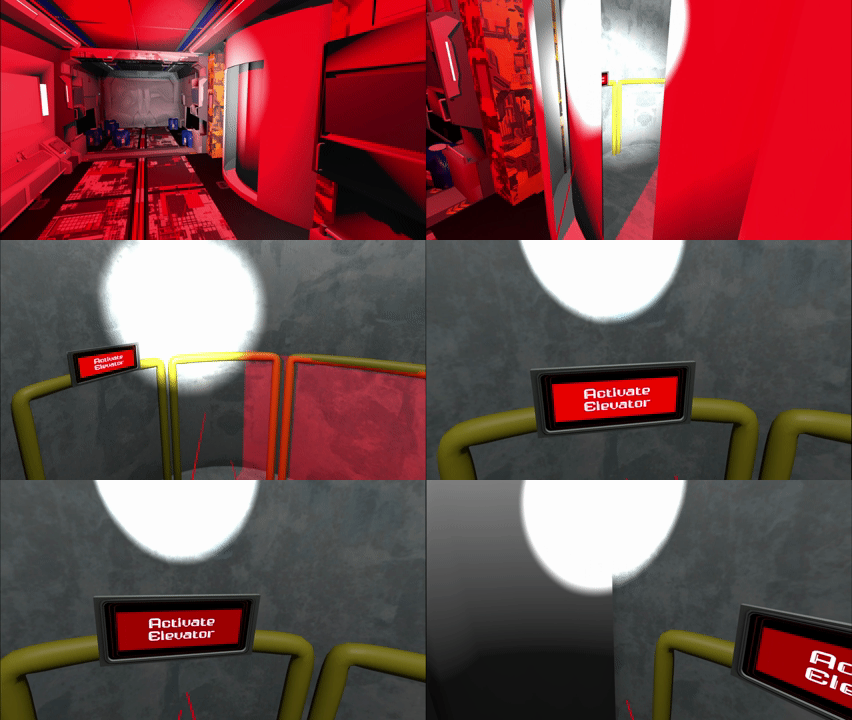
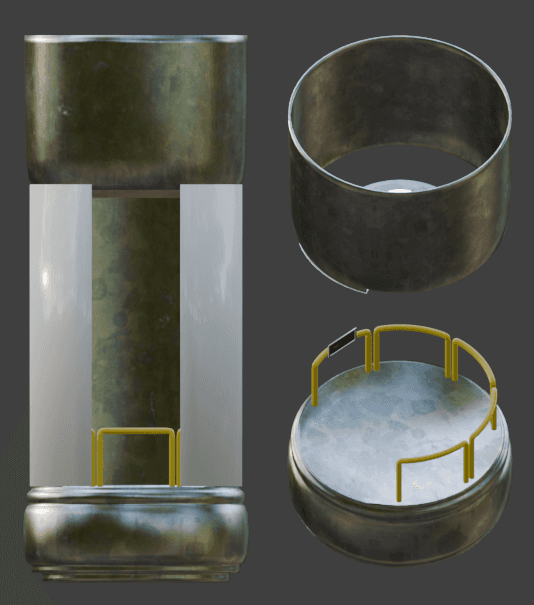
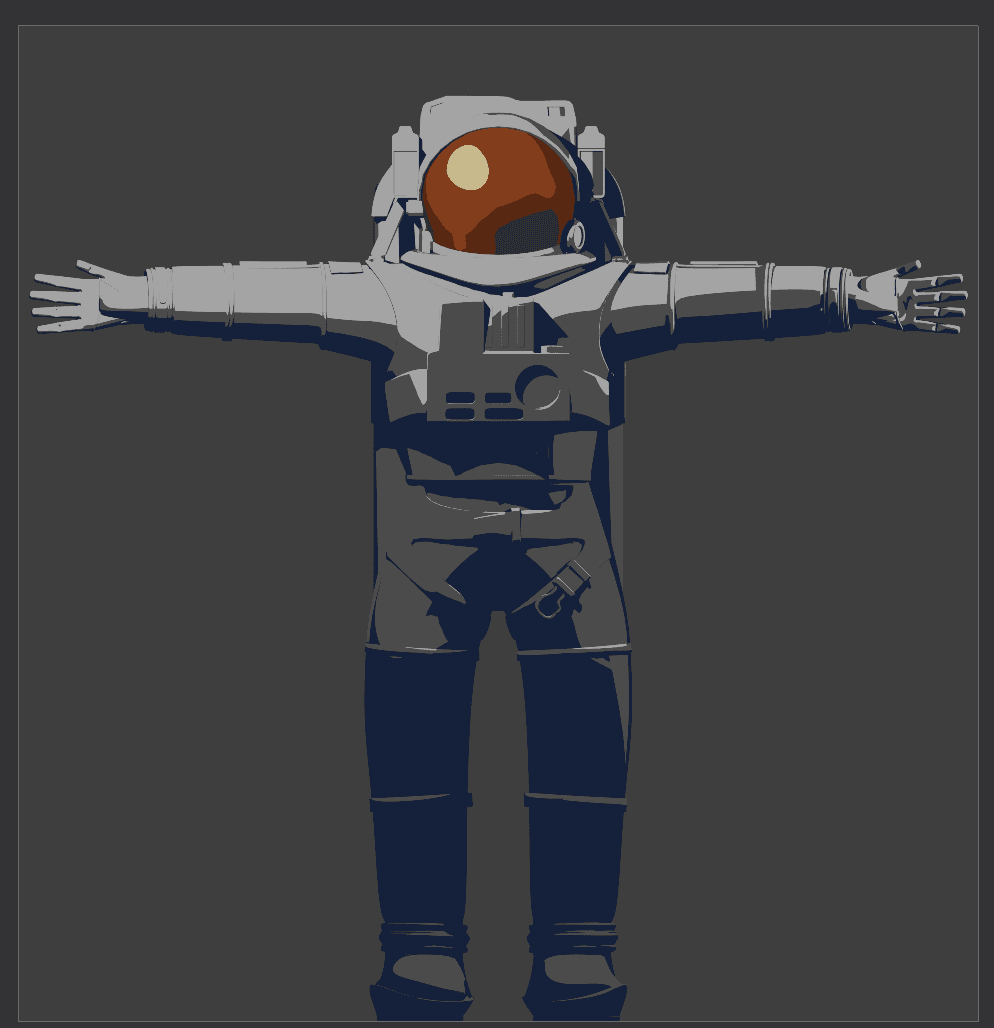
I carried the planning into environmental models, props, materials, and the overall sequence planning. The station needed a consistent visual identity across corridors, machinery, miniature spaces, and the escape sequence, so I make sure they mostly contains the puffer pad wall somewhere in each scene.
The production combined original modeling with external assets from Sketchfab and PBR libraries. The images below document the project’s environment and prop work.
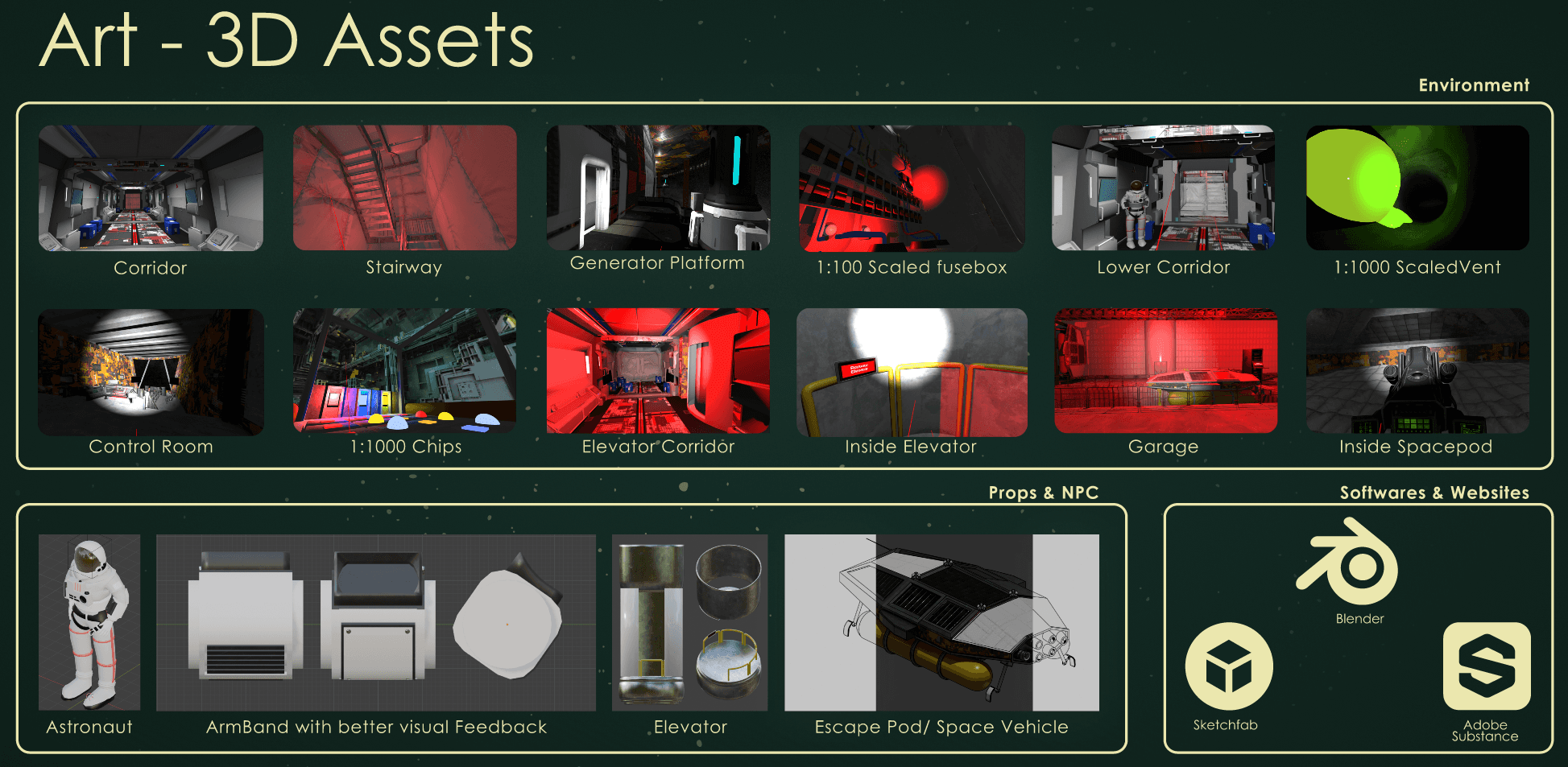
This project was mostly pleasant as all of the teammates are doing parts they doing, as an Art person, I am happy doing all the planning, 3D modeling and designing levels.
The final demo was selected for an SFU showcase. Further evaluation would be needed to measure navigation clarity and puzzle usability.
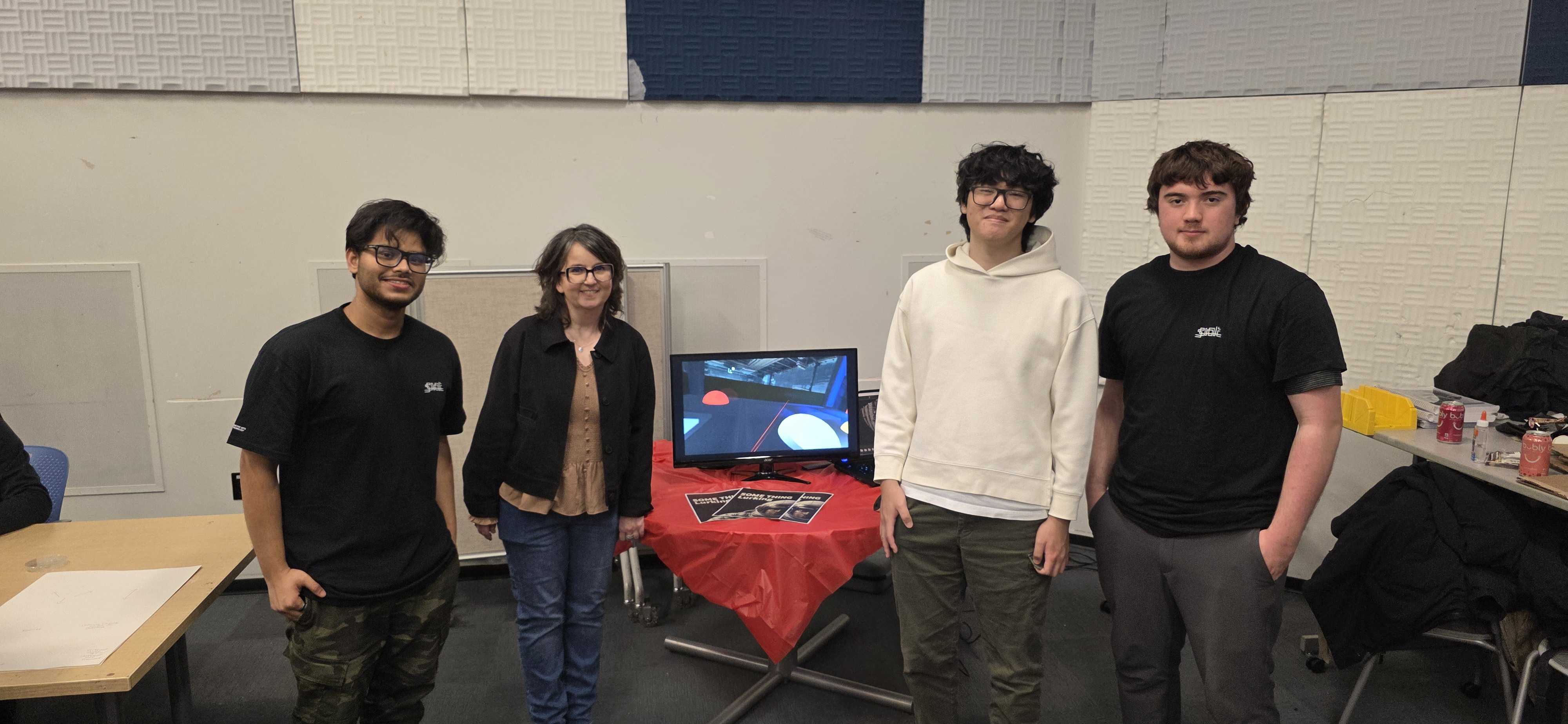
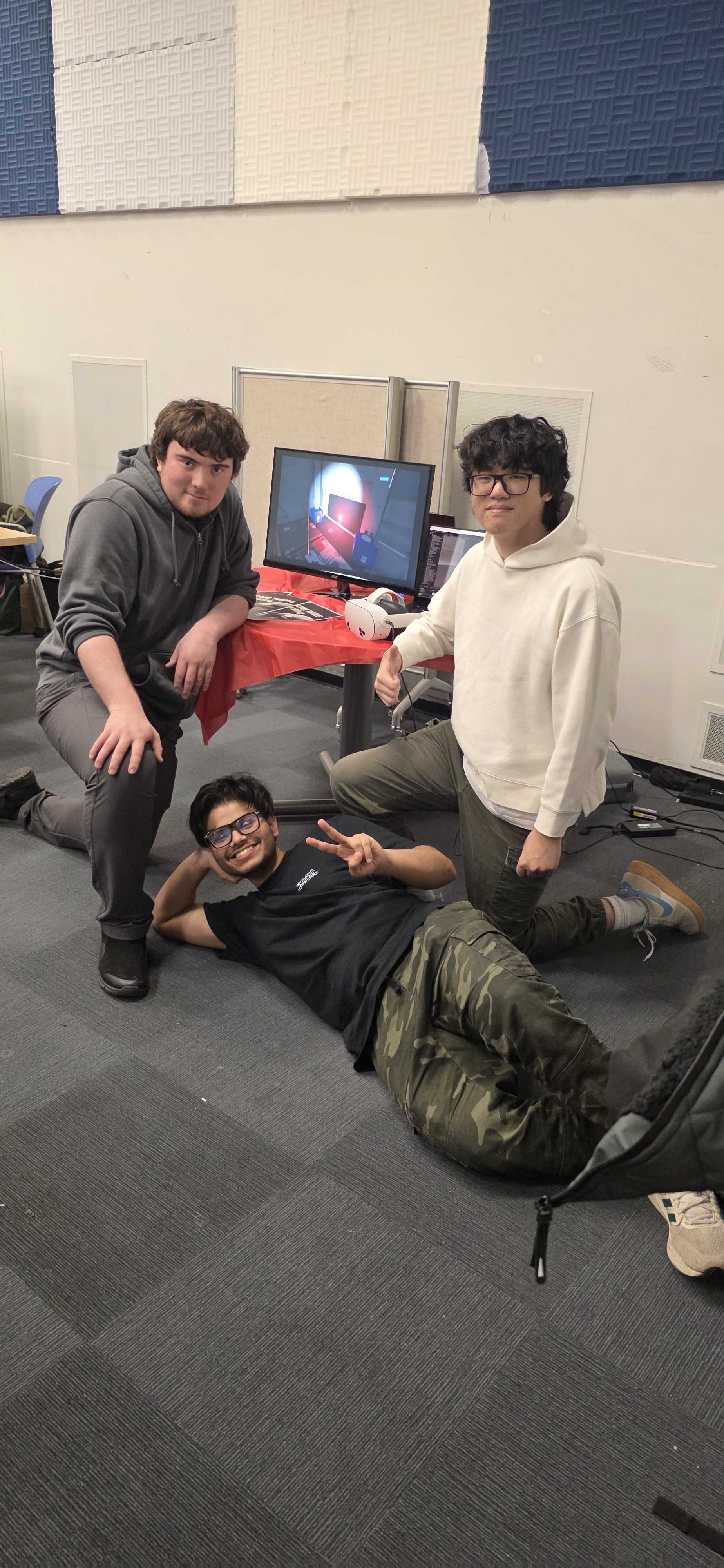
Something Lurking was presented as part of an SFU showcase for prospective students. These photographs document the team and the playable VR demo at the event.